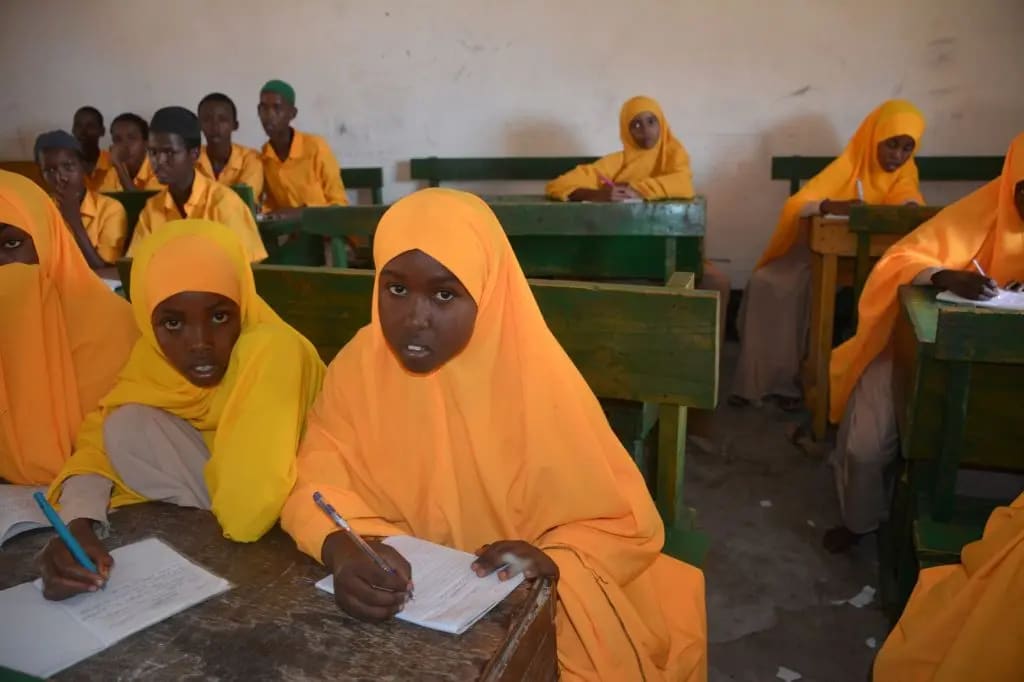
Breaking Barriers: Understanding Education Challenges in Rural Gedo Communities
Field Report Gedo 4/3/2026education
Education remains one of the most critical development challenges facing rural communities in Somalia's Gedo region. Despite decades of conflict and instability, communities across this pastoral and agro-pastoral region continue to prioritize education for their children, yet face numerous systemic barriers that prevent meaningful access to quality learning opportunities.
## The Current Educational Landscape
Gedo region, bordering Kenya and Ethiopia, hosts predominantly rural communities whose livelihoods depend on livestock herding and seasonal farming during the Gu (April-June) and Deyr (October-December) seasons. Educational infrastructure in these communities remains severely underdeveloped, with many villages lacking even basic school structures. According to recent assessments, less than 40% of school-age children in rural Gedo have consistent access to formal education.
The region's educational challenges are compounded by its complex demographic composition, including host communities, internally displaced persons (IDPs), and returning refugees from neighboring countries. Each group brings unique educational needs and backgrounds, creating a diverse but challenging learning environment.
## Infrastructure and Resource Constraints
The most visible challenge facing education in rural Gedo is the acute shortage of physical infrastructure. Many communities operate schools in makeshift structures - often repurposed buildings or temporary shelters that lack basic amenities. These structures frequently cannot withstand the region's harsh weather conditions, particularly during the intense heat periods and occasional flooding during heavy rains.
Classroom shortages force many schools to operate in shifts, with some accommodating over 80 students per classroom. Essential learning materials, including textbooks, writing supplies, and basic furniture, remain scarce. Many students sit on the ground during lessons, and sharing a single textbook among five or more students is common practice.
Water access poses another significant infrastructure challenge. Schools without reliable water sources struggle to maintain basic hygiene standards, particularly important for girls' school attendance. The lack of separate sanitation facilities for boys and girls often leads to increased dropout rates among girls reaching adolescence.
## Teacher Shortage and Capacity Challenges
Rural Gedo faces a severe shortage of qualified teachers, with many schools relying on community volunteers who lack formal teaching credentials. The few trained teachers often concentrate in larger towns, leaving remote villages with limited educational support. Low and irregular salaries make it difficult to attract and retain qualified educators in rural areas.
Existing teachers frequently lack access to professional development opportunities, modern teaching methodologies, and subject-specific training. Many have not received formal training in managing diverse classrooms that include children speaking different languages or those who have never attended school.
The language barrier presents additional complexity. While Somali is the primary language of instruction, some communities include speakers of other languages, and the transition to English or Arabic in higher grades poses challenges for both teachers and students.
## Seasonal and Economic Barriers
The region's agricultural calendar significantly impacts school attendance patterns. During the Gu and Deyr farming seasons, children often miss school to help with agricultural activities, including planting, weeding, and harvesting. Similarly, during dry seasons, pastoralist families move with their livestock in search of pasture and water, disrupting children's education.
Poverty remains a fundamental barrier to education access. Many families cannot afford school fees, uniforms, or basic supplies. Children often work to contribute to household income, whether through herding livestock, fetching water, or engaging in petty trade. The opportunity cost of education versus immediate income generation influences many families' decisions about schooling.
For girls, additional economic factors include early marriage, which often occurs due to economic pressures or cultural practices, effectively ending their educational journey.
## Gender-Specific Challenges
Girls in rural Gedo face particular challenges in accessing and completing education. Cultural attitudes in some communities still prioritize boys' education over girls', viewing girls' education as less essential for their future roles. Safety concerns, including long distances to school and lack of secure transportation, disproportionately affect girls' attendance.
The absence of female teachers serves as another barrier, as some families prefer their daughters to be taught by women. Additionally, the lack of appropriate sanitation facilities and absence of menstrual hygiene management support often leads to girls dropping out during adolescence.
## Conflict and Displacement Impact
Ongoing security challenges in parts of Gedo region continue to disrupt educational activities. School closures due to security concerns, displacement of families, and destruction of educational infrastructure create long-term impacts on children's learning outcomes.
Many children in rural Gedo have experienced interrupted education due to displacement, creating mixed-age classrooms where some students are significantly older than typical for their grade level. This situation requires specialized approaches that many schools lack the capacity to provide.
## Innovation and Community Solutions
Despite these challenges, rural Gedo communities demonstrate remarkable resilience and innovation in pursuing education. Some communities have established community schools, pooling resources to hire teachers and maintain basic facilities. Mobile schools serve nomadic populations, following seasonal migration patterns to ensure continuity of education.
Community education committees play crucial roles in advocating for education, mobilizing local resources, and addressing gender-specific barriers. These committees often negotiate with traditional leaders to promote girls' education and work to align school schedules with local economic activities.
## The Path Forward
Addressing education challenges in rural Gedo requires comprehensive, context-specific approaches that acknowledge the region's unique circumstances. Solutions must integrate with local livelihood patterns, respect cultural values while promoting inclusive education, and build on existing community strengths.
Investment in basic infrastructure, teacher training, and community engagement remains essential. However, sustainable progress requires long-term commitment from government, international partners, and communities themselves. The resilience and determination of Gedo's communities provide a strong foundation for building an educational system that serves all children, regardless of gender, background, or economic status.
Education in rural Gedo represents both a critical challenge and an opportunity for transformative change. With appropriate support and sustained commitment, these communities can overcome current barriers and build educational systems that prepare their children for productive, fulfilling futures while preserving their cultural heritage and strengthening their communities.
Want to make an impact?
Your donation directly supports communities in need.